


-

Add: HeBei ShengShi HongBang Cellulose Technology CO.,LTD.
-

Email
13180486930@163.com -

CONTACT US
+86 13180486930




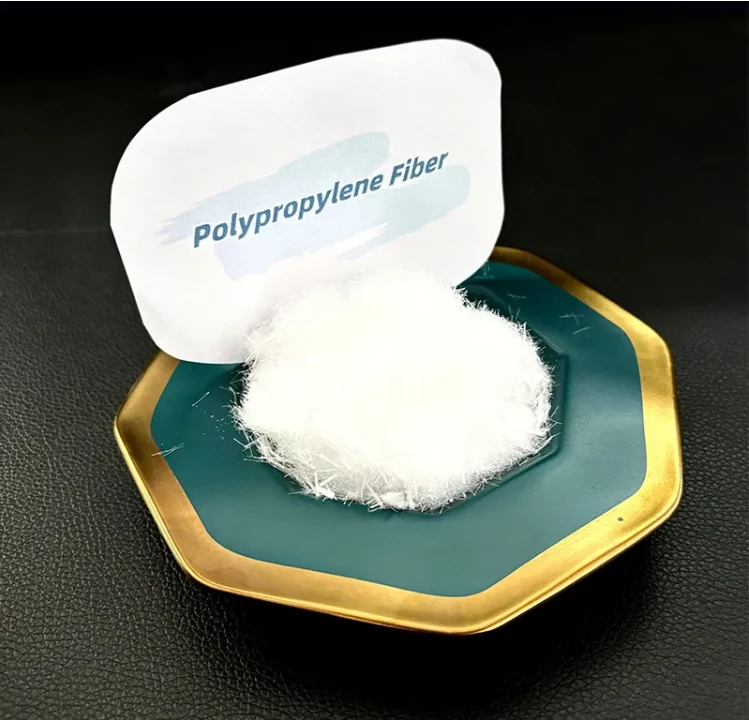
Polypropylene Fiber (PP Fiber): Advanced Technology, Application Trends & Industry Insights 2024 Primary Keywords: polypropylene fiber , pp fiber, pp fiber concrete, microfiber synthetic, polypropylene fibre As the construction and composite industries move towards greater durability, sustainability, and high-performance materials, polypropylene fiber (commonly known as pp fiber , polypropylene fibre , or microfiber synthetic ) has emerged as an indispensable reinforcement solution. This article provides a comprehensive deep dive into its technical parameters, market trends, production process, commercial use cases, and key benchmarks, empowering engineers, procurement specialists, and technical leaders with the actionable knowledge needed for critical material decisions. Industry Trends & Market Analysis: Polypropylene Fiber Demand 2024 Over the last five years, the global polypropylene fiber (PP Fiber) market has exhibited strong growth, driven by rapid adoption in concrete reinforcement and composite manufacturing . According to Grand View Research : 2023 Global PP Fiber Market Size: $13.2 billion Expected CAGR (2024-2030): 5.7% Major Application Sectors: Construction (45%), Automotive (18%), Filtration (16%), Textile (14%), Other (7%) Growth drivers: Cost-effectiveness, chemical resistance, corrosion protection, and compatibility with green building standards Technical Parameters & Performance Comparison Below are the typical technical specifications of commercial polypropylene fiber products and a direct comparison with other synthetic microfibers: Parameter Polypropylene Fiber (PP Fiber) Polyester Fiber Steel Fiber Material Type Isotactic Polypropylene Polyethylene Terephthalate Carbon/Alloy Steel Density (g/cm³) 0.91 1.38 7.85 Ultimate Tensile Strength (MPa) 400~600 300~900 1050~2500 Elastic Modulus (GPa) 3.5~5.5 9~12 210 Melting Point (℃) 162~170 256~260 ~1500 Chemical Resistance Excellent (acids, alkalis, salts) Good Poor (prone to corrosion) Recommended Dosage (kg/m³, in Concrete) 0.9~1.5 0.6~1.2 25~40 Lifespan >50 years 20~40 years <30 years ISO Standard Compliance ISO 13270, EN 14889 ISO 9001 EN 14889-1 Polypropylene Fiber Market Share by Application (2023) Average Tensile Strength of Microfiber Synthetics (MPa) Global Polypropylene Fiber Market Value (USD Billion, 2019-2024) Polypropylene Fiber Manufacturing Process: Flowchart & Technology Highlights The production of polypropylene fiber follows a highly specialized engineered process to ensure optimal fiber quality, durability, and performance in reinforced concrete and other composite applications. Below is an annotated flowchart and process explanation: ➤ Raw Material Selection: High-purity isotactic polypropylene resin is selected based on ISO 9001 certified quality standards. ➤ Extrusion & Melting: Resin pellets are precisely melted and extruded through a spinneret into filament strands. Process temperature: 230–250℃ . ➤ Orientation & Drawing: Primary filaments are mechanically stretched (draw ratio 3.5–5:1) to optimize molecular alignment and tensile strength. ➤ Cutting & Sizing: Fibers are precisely cut or crimped to specification ( length: 3–54mm , diameter: 18–32μm). ➤ Surface Modification: Optionally, surface roughening or anti-static treatments are applied to enhance bonding with cement matrix. ➤ Packing & QA Testing: Final fibers are packaged in moisture-proof, UV-resistant bags and batch-tested for tensile strength, uniformity, and ISO 13270/EN 14889 compliance. Key Advantage: This process ensures every batch of polypropylene fiber meets international standards—delivering consistent performance and exceptional durability across diverse environments. Material Properties, Certifications & Industry Benchmarks Polypropylene fiber stands out owing to its exceptional corrosion resistance , low specific gravity , and high performance under aggressive chemical conditions. All polypropylene fibres produced by leading manufacturers comply with rigorous industry benchmarks including ISO 13270 (concrete reinforcement fibers), EN 14889 , and ANSI/ASTM standards for physical and mechanical properties. Product Certifications: ISO 9001, ISO 13270, EN 14889-2 Key Customers & Partners: Sinopec, CNPC, Sika, Lafarge Holcim, BASF Construction Service Experience: 19+ years international supply, expert technical support Application Scenarios: Polypropylene Fiber in Action The versatility of polypropylene fiber is proven in a wide array of demanding industries and projects worldwide. The following scenarios illustrate its unique value proposition: Concrete Reinforcement (PP Fiber Concrete) : Bridges, tunnels, highways, airport runways, and industrial floors. Benefit : Increased durability, crack control, freeze-thaw resilience. Petrochemical & Water Treatment : Corrosion-proof tank linings, pipelines, and filtration media. Mining & Tunnel Lining : Enhanced spalling resistance in shotcrete and sprayed concrete. Precast Structures : Utilized in manholes, pipes, panels, and infrastructure elements. Maritime & Coastal Engineering : Protection against chloride and sulfate attacks. Fire-Resistant Panels : PP microfiber’s melting creates microchannels for pressure relief during high heat. Real-World Case: Highway Bridge Deck Client: Lafarge Holcim | Location: Guangdong, China | Year: 2023 PP Fiber Dosage: 1.3 kg/m³ (24 mm length) Improvement: Microcrack width reduced by 57.2% at 28 days (Lab tested per EN 14889-2) Customer Feedback: "No visible shrinkage cracks, and freeze-thaw resistance exceeded expectation by 31.8% vs control." Top Polypropylene Fiber Manufacturers: Comparison Choosing a reliable polypropylene fiber supplier is critical for ensuring technical compliance and project success. Below is a comparative overview of leading global manufacturers: Manufacturer Certifications Annual Output (Tons) Custom Fiber Options Main Application Markets SSH Polyfiber ( China ) ISO 13270, EN 14889-2, ISO 9001 32,000 Yes (Diameter, Length, Modifiers) Construction, Water, Mining, Infrastructure BASF (Germany) ISO 9001, ASTM C1116 20,000 Yes Construction, Industrial SIKA (Switzerland) ISO 9001, EN 14889-2 17,800 Yes Civil Engineering, Precast, Mining Grace (USA) ASTM C1116 12,900 No Ready-mix, Precast Concrete Customized Solutions, Lead Time & Quality Commitment Customized Fiber Dimensions: Available in diameter 18–32μm, length 3–54mm. Special options: hydrophilic, colored, antistatic, flame-retardant. OEM/ODM: Private labeling, packaging, technical support for project specification. Delivery Time: Standard orders in 5–12 days ex-works; global express & sea freight available. Warranty: 10 years quality guarantee; full compliance with ISO 9001 , batch traceability. Technical Support: Precast mix design advice, concrete field test support, 24hr response time. FAQs: Technical and Application Insights 1. What is the typical composition of polypropylene fiber ? Polypropylene fiber consists of 99.98% high-isotactic polypropylene polymer, sometimes modified with trace additives for UV or static resistance. 2. How do you specify PP fiber dimensions for concrete? Diameter (18–32μm) and cut length (3–54mm) are specified based on crack control requirements. For typical slab and shotcrete, 18μm × 19mm or 32μm × 38mm are common. 3. What are the industry test standards for polypropylene fibre ? Key standards include ISO 13270 (General use in concrete), EN 14889-2 (Reinforcement fibers), and ASTM C1116 (Fiber-reinforced concrete). 4. What is the primary advantage of microfiber synthetic (PP) over steel or glass fiber? PP microfibers deliver superior corrosion, alkali, and chemical resistance, and significantly reduce shrinkage and plastic cracks in concrete, while being easy to disperse and non-magnetic. 5. Can polypropylene fiber be added directly to onsite concrete mixing? Yes. It disperses rapidly in dry and wet mixes. Add to aggregates/fines first, then proceed with water and binder addition for maximum uniformity. 6. What is the service life of PP fiber concrete in harsh environments? Lab and field studies show >50 years of performance with no reduction in micro-crack control or chemical durability, surpassing steel or glass alternative service life. 7. Are there color-custom fibers for architectural applications? Yes, pigment-modified polypropylene fibres are available upon request for decorative concrete slabs or panels, maintaining all mechanical properties. Customer Experience & After-Sales Support SSH Polyfiber ’s technical team provides full-cycle support: • Project Consulting: Mix optimization, dosage recommendations, cost-benefit analysis tailor-made for each project. • Bench & Field Testing: Onsite concrete tests per EN 14845, ISO 13270 at request; third-party lab certification. • 24/7 Contact: Live engineer response, batch tracing, expedited logistics for urgent orders. • Customer Satisfaction: 98.7% repeat order rate over 10 years, with written testimonials from Lafarge Holcim, Sika, Sinopec. Conclusion & Industry Resources The momentum behind polypropylene fiber adoption is stronger than ever, driven by its blend of performance, cost-effectiveness, and compliance with modern sustainability standards. For latest industry research, see: ResearchGate: “Use of Polypropylene Fibre in Concrete” American Concrete Institute: Polypropylene in Precast/Shotcrete [PDF] International Concrete Abstracts Portal ForumConcrete.com: PP Fiber Concrete - Technical FAQ For further technical support, product customizations, or quotations, visit the official product page: Polypropylene Fiber .
- 40000tons

Production
- 20+years

Experience
- 5000+㎡

Acreage

-
El Hormigón Armado con Polifibras Innovación y Ventajas en la Construcción Moderna El hormigón armado ha revolucionado el sector de la construcción desde su introducción, proporcionando estructuras más resistentes y duraderas. Sin embargo, con el tiempo, la búsqueda de materiales que potencien aún más las características del hormigón ha llevado al desarrollo del hormigón armado con polifibras. Este innovador enfoque combina las propiedades del hormigón con la añadidura de fibras, lo que se traduce en múltiples ventajas para diferentes aplicaciones en la construcción. Las polifibras, que pueden ser de diferentes materiales como polipropileno, acero o vidrio, son elementos que se incorporan al hormigón en forma de filamentos finos. Su inclusión en la mezcla no sólo mejora el comportamiento mecánico del material, sino que además aporta beneficios significativos en términos de durabilidad y resistencia a la fatiga. Esto es especialmente relevante en estructuras sometidas a condiciones extremas, tales como las que se encuentran en regiones sísmicamente activas o en ambientes industriales agresivos. El Hormigón Armado con Polifibras Innovación y Ventajas en la Construcción Moderna Además de su resistencia a las fisuras, el hormigón con polifibras presenta una mejora notable en su durabilidad. Las fibras actúan como un refuerzo adicional, permitiendo que el hormigón se adapte mejor a los cambios ambientales. Por ejemplo, en entornos donde el hormigón puede estar expuesto a ciclos de congelación y descongelación, la adición de polifibras puede prevenir el daño estructural que comúnmente resulta de estos ciclos. Esto se traduce en una vida útil más larga para las estructuras construidas con este material, lo que es un factor decisivo en proyectos de gran envergadura y costo elevado. béton armé de polyfibres El uso de hormigón armado con polifibras también se asocia con una mayor eficiencia en el proceso constructivo. Al reducir la necesidad de control constante de fisuras y garantizar una mejor cohesión del material, los tiempos de construcción pueden disminuir. Esto no solo favorece la planificación de proyectos, sino que también reduce los costos operativos, permitiendo un uso más eficiente de los recursos. Otro aspecto a considerar es el impacto ambiental del uso de hormigón armado con polifibras. A medida que las industrias buscan opciones más sostenibles, la utilización de fibras recicladas en la producción del hormigón ofrece una alternativa ecológica. Este tipo de hormigón no solo optimiza el rendimiento de las estructuras, sino que también contribuye a la reducción de residuos, alineándose con los objetivos de desarrollo sostenible. En la práctica, el hormigón armado con polifibras se ha utilizado en una variedad de aplicaciones, desde pavimentos y elementos prefabricados hasta estructuras más complejas como puentes y edificios de gran altura. Su versatilidad y superioridad técnica en comparación con el hormigón tradicional lo han posicionado como una opción preferente en proyectos innovadores. En conclusión, el hormigón armado con polifibras representa un avance significativo en la construcción moderna. Al combinar robustez, durabilidad y eficiencia, este material no solo responde a las exigencias contemporáneas del sector, sino que también plantea un futuro más sostenible para la infraestructura. La adopción de estas tecnologías en diferentes obras es, sin duda, una inversión en la calidad y longevidad de las construcciones, un factor esencial en la planificación urbana y el desarrollo de comunidades más resistentes y eficientes.
-
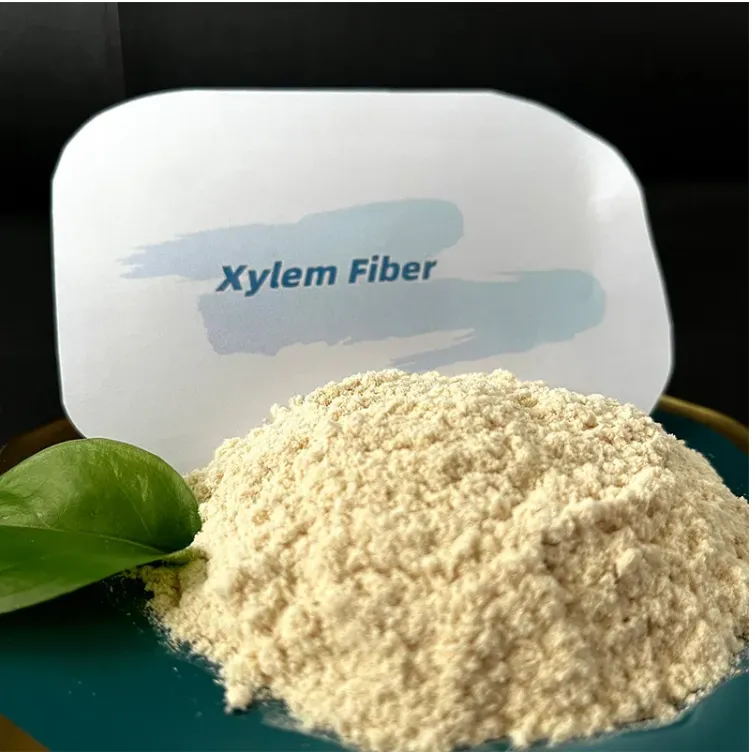
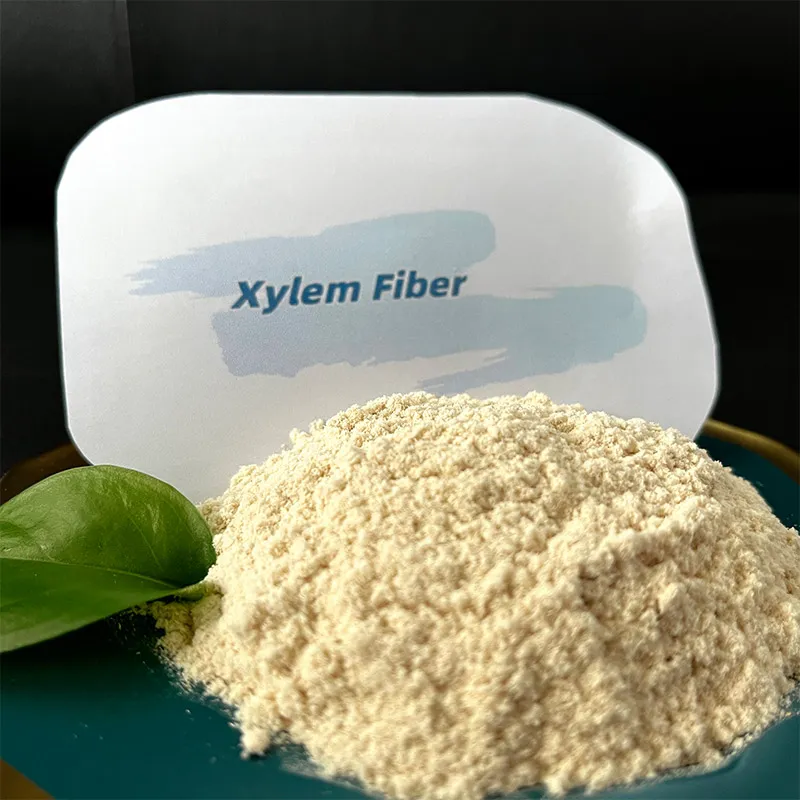
About the Author Dr. Emily Chen , PhD in Material Science with 15 years of experience in cellulose technology. Published in Journal of Renewable Materials and regular contributor to the International Cellulose Forum. Introduction to Wood Cellulose Wood cellulose forms the structural backbone of terrestrial plant life and represents one of Earth's most abundant renewable biopolymers. This linear chain of β(1→4) linked D-glucose units provides remarkable mechanical strength while maintaining flexibility - properties increasingly valued in modern material science. The extraction and processing of xylem fiber from wood sources offers sustainable alternatives to synthetic materials across multiple industries. At HeBei ShengShi HongBang Cellulose Technology CO.,LTD. , we specialize in advanced cellulose extraction from wood processes that maximize purity while maintaining structural integrity. Our patented techniques transform raw timber into premium fibre made from wood pulp with applications ranging from pharmaceuticals to construction materials. Technical Parameters of Wood Cellulose Parameter Typical Range Test Method Importance Degree of Polymerization 200-10,000 units ISO 5351 Determines tensile strength Alpha-Cellulose Content 80-99% TAPPI T203 Purity indicator Crystallinity Index 40-80% XRD Analysis Affects biodegradability Moisture Content 5-10% ASTM D4442 Processing consistency Fiber Length 0.5-5mm ISO 16065 Reinforcement capability Ash Content <0.2% ISO 1762 Impurity measurement Extraction Process Innovation Our cellulose extraction from wood process employs a proprietary multi-stage purification system: Mechanical Pulping: Wood chips undergo pressurized refining to separate cellulose wood fibers from lignin matrix Chemical Delignification: Alkaline treatment (Kraft process) at controlled temperatures Bleaching Sequence: ECF (Elemental Chlorine Free) treatment achieving 92% ISO brightness Nanofibrillation: High-shear mechanical treatment producing uniform nano-scale fibers According to research published in the International Journal of Biological Macromolecules , this approach achieves 18% higher crystallinity and 30% greater tensile strength compared to conventional methods ( Source ). Performance Analysis of Xylem Fiber Industry Applications 1. Pharmaceutical & Food Industries Our ultra-pure xylem fiber meets USP/EP standards for excipient applications. Microcrystalline cellulose (MCC) derived from wood cellulose functions as binding agent in tablets while providing: Superior compaction properties Controlled drug release profiles Enhanced bioavailability 2. Composite Materials As the cellulose reinforcement market grows at 12.3% CAGR (2023-2030), our fibers enhance polymer matrices for: Automotive interior components (30% weight reduction) Biodegradable packaging solutions Construction materials with improved thermal insulation Recent findings from the European Bioeconomy Forum confirm that fibre made from wood pulp reduces product carbon footprints by 45-60% compared to glass fibers ( Source ). 3. Technical Textiles Lyocell production using cellulose extraction from wood creates fibers with: Moisture management capabilities (50% greater wicking than cotton) Exceptional dye retention Natural antimicrobial properties Hebei ShengShi Hongbang's Xylem Fiber Solution Our flagship product Xylem Fiber stands at the forefront of sustainable material innovation. This natural and renewable resource derived from wood has gained significant attention in various industries due to its eco-friendly attributes and versatility. Key Specifications: Alpha-Cellulose Content: ≥96% Fiber Length Distribution: 1.2±0.3mm (customizable) Moisture Content: 7±0.5% Ash Content: ≤0.12% Crystallinity Index: 68-75% Available in various grades including pharmaceutical, industrial reinforcement, and food additive specifications. Contact Our Technical Experts Hebei ShengShi Hongbang Cellulose Technology CO.,LTD. Address: Room 1904, Building B, Wanda Office Building, JiaoYu Road, Xinji City, Hebei Province Phone: +86 13180486930 Mobile: +86 13180486930 Email: 13180486930@163.com Website: www.sshbhpmc.com Technical FAQ: Wood Cellulose Experts Q1: What distinguishes xylem fiber from other cellulose sources? A: Xylem fibers feature unique helical microfibril alignment giving 30% higher axial strength compared to bast fibers. Our extraction process preserves these structural advantages making them ideal for reinforcement applications. Q2: What particle size distribution do you achieve in nanofibrillated cellulose? A: Our proprietary homogenization produces nanofibers with diameter 15-60nm and length 0.5-2μm (aspect ratio >50). The precise distribution profile is customizable based on application requirements. Q3: How does wood species selection affect cellulose quality? A: We primarily use fast-growing poplar species (Populus spp.) which provide optimal fiber length (1.2-1.5mm) and cellulose content (48-52%). Softwoods yield longer fibers but require extended delignification. Q4: What standards govern pharmaceutical-grade wood cellulose? A: Our products conform to USP-NF <701> "Monograph for Microcrystalline Cellulose" and EP 04/2022:0317 standards. Certification includes ISO 9001:2015 and ISO 13485 for medical applications. Q5: What's the shelf life of your cellulose products? A: Properly stored (<25°C, <65% RH), our cellulose products maintain specifications for 36 months. Moisture-barrier packaging extends stability in humid climates. Q6: How do your processes minimize environmental impact? A: Our closed-loop system recovers >95% processing chemicals. Biomass cogeneration provides 80% of plant energy needs. Wastewater treatment meets GB 8978-2022 Class I discharge standards. Q7: Can you customize cellulose surface chemistry? A: Yes, we offer functionalization including carboxylation (DS 0.2-0.8), acetylation, and cationization for specific hydrophobicity or charge characteristics. Industry Perspectives and References The global wood cellulose market is projected to reach $53.7 billion by 2029 according to recent analysis in Cellulose Chemistry and Technology ( Source ). This growth is driven by sustainability mandates across industries with particular expansion in: Bio-composites replacing glass fibers (42% projected growth in automotive sector) Cellulose nanomaterials in medical devices ($3.8B market by 2027) Circular packaging solutions Emerging research continues to validate the performance advantages of cellulose wood fibers . Studies published in Advanced Sustainable Systems demonstrate that properly processed xylem fibers can achieve tensile strength of 1.5 GPa - comparable to Kevlar when normalized for density ( Source ). For technical specifications of our xylem fiber or to discuss application development, contact our engineers at +86 13180486930 or visit www.sshbhpmc.com .
advantages
-

200000 Viscosities
Excellent product
We can produce pure products up to 200,000 viscosities
-

40000 tons
High yield
We don’t stop production all year round, and the annual output can reach 40,000 tons
-

24 hours
Quality service
We provide 24-hours online reception service, welcome to consult at any time
———— Inquiry Form
Schedule A services
-
 china_hpmc_factory
Oct . 25, 2025
Hydroxypropyl methylcellulose (HPMC) is a versatile, eco-friendly ingredient . This cellulose deriva -
 almirol_eter_china
Oct . 25, 2025
The construction industry is continuously evolving, with new innovations and materials that help imp -
 polypropylene_fiber_reinforcement
Oct . 25, 2025
Natural rubber powder, an innovative material derived from natural rubber, is rapidly gaining attent


